
Lenz Enterprises supplies a diverse range of rock and soil materials and delivery services.
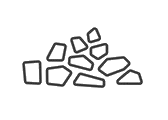
Crushed Rock
Drain rock, base for driveways and drainage, spalls, chips, minus
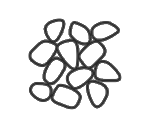
Round Rock
Typically used for drainage and can also be used as ground cover in landscaping
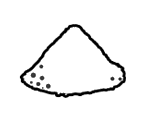
Sand
Sandboxes, landscaping, construction, drainage, locking pavers, gardening applications

Compost
Soil amendment or top dressing for landscaping, garden beds, improves plant growth

Topsoil
Premium sustainable soil products used for landscaping, gardening, and for amending low-quality areas

Bark/Mulch
Aromatic, all natural ground covering to beautify, protect yards, walkways, deter weed growth
Placing an order
Choose the type of materials you need and how much. Enter the square footage and the depth of materials.
Materials and delivery calculators provide an estimate of the cost for materials delivered to your chosen site.
Once we receive your order, it’s processed and scheduled for delivery. You will be notified to confirm time.
Estimate materials needed
Add delivery to order
We Deliver!
Calculate your specific location pricing.
Prompt, skilled service
Welcomed and supported by the communities we serve in Northwest Washington.
Full variety · always stocked
Diverse Range of Products and a Variety of Services
High quality materials
A full range of quality products from gravel to topsoil to mulch.
Retail Partners




SR 532 · Stanwood, WA
Please don’t hesitate to contact our friendly and helpful staff for any of your project needs.